

#65 No Bregrets?
Plus: yet another Prime Minister and air (mod) cons
Welcome to the 65th instalment of the Liberal Digest. This week in Westminster things hotted up literally and figuratively. The Prime Minister Sir Keir Starmer decided to call it a day, meaning that Andy Burnham is poised to become our thousandth prime minister in 3 weeks, or something. Does this mean that Britain is ungovernable, or just that we're not very good at picking governors? An even more pertinent question given our chance to reflect on the last ten years since the Brexit referendum. It's all going swimmingly… isn't it?
Did we miss something? Let us know. On X? Give us a follow.
Stop the Press!
Best op eds, interviews, news and analysis of the week in the old-school media
Stephen Daisley argues that Britain isn’t ungovernable, but has lacked a government that wants to govern it:
“One of the appeals of the European project to Britain’s political elites was its centralisation of decision-making on matters they considered too sensitive to be decided nationally, which is to say matters where voters refused to conform to the policy preferences of the elites. In the early days, Conservatives saw the European Economic Community as a backdoor hack through a political and economic order gripped by public ownership, price controls and industrial strife. If decision-making could be removed from Parliament and rerouted to Brussels, policy directives devised by Berlaymont bureaucrats could be presented to MPs as a fait accompli… In time, the left came to see the advantages of a common market and its Eurosceptics either recanted or retreated to the fringes. A central bureaucracy that could uphold the necessary conditions for a market economy could also impose directives on workplace conditions and enforce employee rights. For liberals, Europe became the great bulwark against the reaction and provincialism of the British people.”
Bad decisions have been made since we voted to leave but we were still right to leave, argues Fred de Fossard:
“Despite Britain being the only country to take the step to leave the EU, both Britain and Europe seem to be struggling under remarkably similar problems: high levels of debt, sluggish growth, stagnant living standards and high immigration. Europe’s leading economies, France and Germany, the most relevant comparators to the UK, have performed poorly since 2016, and Germany is undergoing deindustrialisation, driven by high energy prices. The security of EU membership has not offered voters in Europe the proceeds of much additional prosperity. Brexit still offers the British people the tools to dig themselves out of this particular rut. The tools themselves may be gathering dust unused, but they exist nonetheless and can enable Britain’s politicians have to fashion a new agenda for prosperity. By streamlining the EU’s onerous habitats regulations, Britain could build infrastructure more quickly and more cheaply. By scrapping the European carbon tax, the Emissions Trading Scheme, the UK could save British households and businesses billions of pounds in energy costs per year.”
Michael Simmons thinks Andy Burnham is walking into a trap, but hasn’t noticed it yet:
“Burnham is writing cheques Britain simply can’t cash. He has learnt nothing from the fatal mistakes Starmer and his team made when they entered office just two years ago. There was a confidence among the party’s new MPs that the task at hand was simple: remove the evil and sleazy Tories, and Britain would soon right itself. Burnham brings with him his own delusion: that Britain has been too neoliberal and suffers from too little interventionism. In short, a larger state has never been tried. The reality awaiting him and his new chancellor is that we live in a poor country that believes it’s still rich, and that we’re governed by a large state we claim is too small – and which is already struggling to meet the costs of previous promises.”
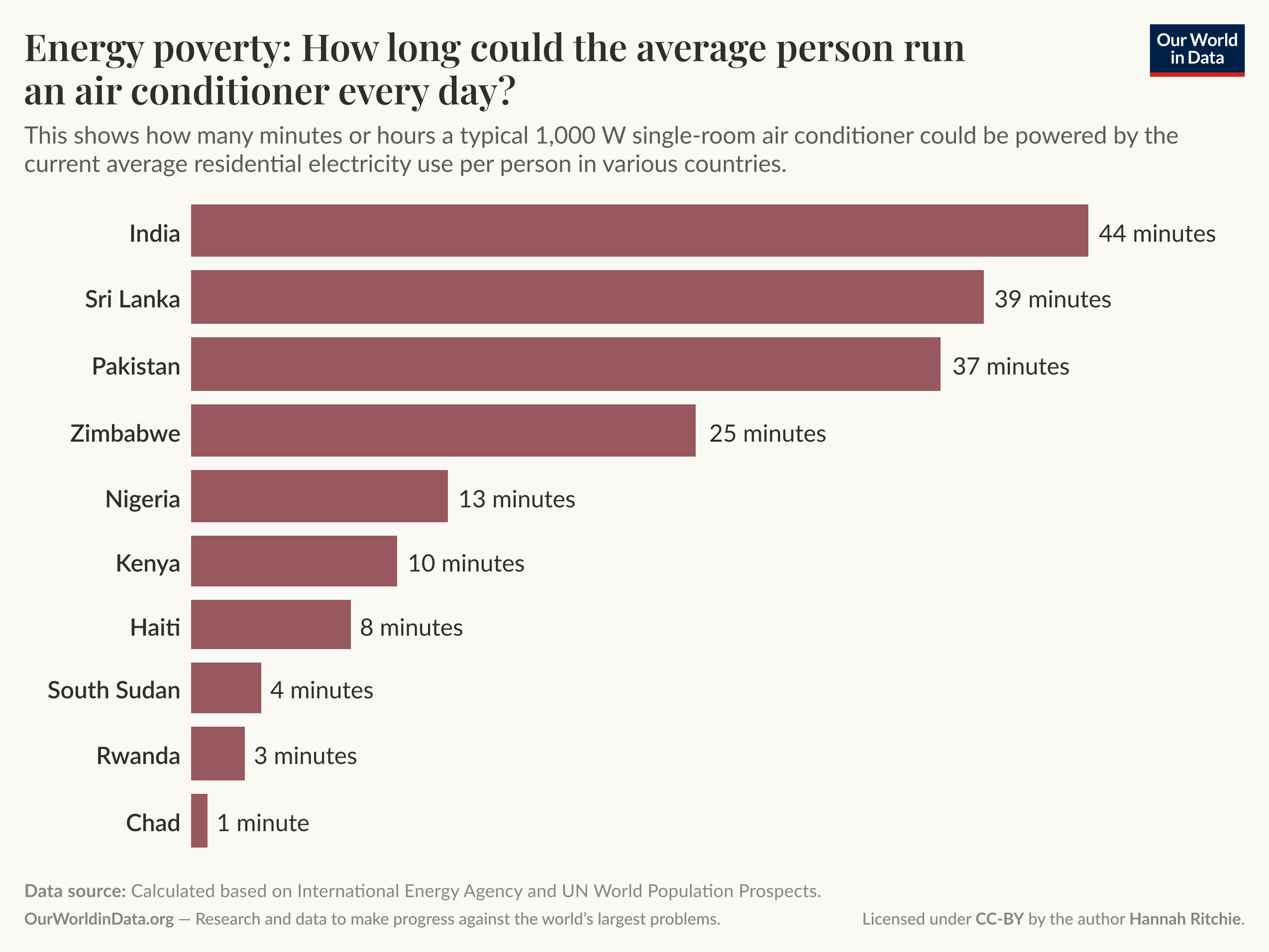
Mani Basharzad pins the blame for our lack of comfortable indoor temperatures on the government:
“The market doesn’t just generate wealth. It gives people back their time, improves their comfort and offers control over their environment. That’s the humane side of capitalism too often ignored – especially on the Left, where the market is still dismissed as the embodiment of ‘trickle-down economics’. But the truth is this: when politicians limit the reach of the market, it’s the working class who suffer first and most. The rich will always find ways to cool their homes. It’s ordinary people – those who take the Tube home after long shifts – who are told to sweat through sleepless nights. So why has this anti-convenience ideology taken root? Because many policymakers have fallen for the lie that there is something morally superior about sacrificing comfort in the name of a greater good.”
Chris Mason: The anatomy of Prime Minister Sir Keir Starmer’s downfall
The Telegraph: Burnham cools on Miliband as chancellor
Financial Times: Andy Burnham needs to simplify UK taxes, says adviser Haldane
The Guardian: Mahmood in standoff with Starmer over No 10 not sacking junior minister
Financial Times: Andy Burnham planning new ‘devolution department’ in Manchester
Stacks of Freedom
Highlights from our fellow Substackers
Ian Leslie outlines the reasons why he thinks Andy Burnham would be another terrible Prime Minister:

Sam Alvis says that it’s time to end the air con taboo:

Jerusalem Demsas asks why it is so hard for liberals to take the W on housing reform:

Matthew Yglesias wonders whether carbon taxes should be applied to data centres:

David Lawrence and Pedro Serôdio quizzed economists, bond traders and investors about what they want to see from a potential future Chancellor:

Michael Liebreich wants to make electricity cheap again:

Wonk World
Ideas and analysis from the think tanks, academia and other clever sorts
Dr Gerard Lyons argues the EU is still not the answer to Britain's problems:
“Labour politicians have repeatedly raised the prospect of Britain moving closer to the EU, either through a reset in relations that sees the UK becoming more of a rule-taker or by rejoining either the Single Market, the Customs Union or even the EU itself A new report from the Centre for Policy Studies argues that an EU reset risks becoming at best a substitute for a credible growth strategy, and at worst an obstacle to delivering one”
Hear Hear
Podcasts for weekend listening
Chris Snowdon interviews a former Australian Border Force chief on the booming black market in tobacco down under
Posting to Policy
Best of social media this week


Via Eamonn Butler
Further Afield
Interesting stuff from around the world
In Australia, new data shows that the social media ban for under 16s may not be having the desired effect:
“More than 85% of participants aged under 16 years reported using social media platforms subject to the Act at follow-up, predominately via use of their own accounts (54-68%), 66% of whom reported exposure to platform age verification, most commonly self-declared age (24-39%) or uploading of a picture (“selfie”) (13-27%). Efforts to circumvent restrictions, such as use of a “fake” account (15-19%) or social media access via a private browser (6-11%) were also reported… Despite the intent of the Social Media Minimum Age Act 2024 to delay access to social media platforms and reduce the potential for online harms, little evidence was found of immediate substantive reductions in reported social media use by adolescents under 16 years.”
Accusations of a “constitutional coup” were made towards Zimbabwe president Emmerson Mnangagwa:
“The upper house of Zimbabwe’s parliament voted on Wednesday 75-4 in favour of the constitutional amendments, which will allow President Emmerson Mnangagwa to stay in office until 2030 by extending presidential terms from five to seven years. The bill, which will also replace direct presidential elections with the appointment of the president by parliament, was passed by the lower house last week and the government said the president was expected to sign it into law next month. Opposition figures fear the changes could further tighten the hold on power of Mnangagwa, known as “the Crocodile”, and his Zanu-PF party, which has ruled Zimbabwe since independence in 1980. Mnangagwa, now 83, won a second term in office with 52.6% of the vote in the 2023 presidential election, amid criticism of the election process from international observers and opposition figures. Critics of the constitutional changes claimed Zimbabwe could slide back to the repression seen under Robert Mugabe, who resigned in 2017 after 37 years in power, after a coup led by Mnangagwa.”
The Economist examines how Peter Magyar is cleaning up Hungarian politics:
“In parliament on June 22nd he announced “Operation Cleansing Fire”: a constitutional amendment that would, among other things, remove Tamas Sulyok, the president (whose term runs until 2029), and Peter Polt, the head of the constitutional court, both loyalists of Mr Orban. He also unveiled plans for a new constitution. Mr Magyar pledged to “free our country from the economic and political mafia”. The amendment reintroduces mandatory retirement at 70 for the constitutional court’s 15 judges, which would mean the 70-year-old Mr Polt and three others must step down immediately. It would limit lawmakers’ terms to 12 years. And it would create an agency for the recovery of national assets to prosecute the Orban regime’s misuse of public funds. Mr Magyar claims corruption costs Hungarians 8-10% of GDP annually; economists say it is hard to estimate, but agree it is substantial.”
The Guardian: Xi Jinping has hosted more than a dozen leaders this year, as ‘middle powers’ look beyond the US
Financial Times: Trump administration asks OpenAI to stagger release of new model to vet users
The Economist: What a surge of anti-migrant protests says about South Africa
Graph of the Week
Via Max Roser